The Truth About Teeth Whitening Sensitivity | White Haute Charleston
If you’ve been putting off teeth whitening sensitivity concerns have probably played a role. At White Haute in Charleston we hear this all the time and we want to set the record straight.
You’ve heard the stories. The zingers. The aching. The 48 hours of regretting every sip of cold water. And so you keep buying whitening strips that don’t really work or you just accept that your smile is never going to be quite as bright as you’d like, because the alternative sounds uncomfortable and you’d rather not find out.
Why Does Teeth Whitening Sensitivity Happen?
Teeth whitening works by using a peroxide-based gel to break down stain molecules inside the enamel. During this process, the pores of the enamel temporarily open and when those pores are open, the teeth can become more reactive to temperature and pressure.
That’s what causes the sensitivity. Not damage, not thinning enamel, not anything permanent – just a temporary reaction that happens when the whitening agent is doing its job.
The reason so many people experience uncomfortable sensitivity with at-home kits is not because whitening itself is painful. It’s because over-the-counter products are often poorly fitted, unevenly applied and used for longer than necessary which means the gum tissue gets exposed to the gel, the concentration isn’t calibrated to your specific teeth and there’s nobody monitoring what’s happening in real time.
Professional whitening is a completely different experience. And that difference is everything.
Not Everyone Gets Sensitivity and Here’s Why
Sensitivity during whitening is not inevitable. It is not a given. And it is absolutely not something you just have to white-knuckle your way through.
Several factors determine whether you’ll experience sensitivity at all:
Your natural tooth sensitivity.
If your teeth are already sensitive to hot and cold in daily life, you may be more prone to whitening sensitivity. This doesn’t mean whitening isn’t for you, it just means the approach needs to be tailored to you.
The concentration of the whitening agent.
Higher concentration doesn’t always mean better results. It often just means more sensitivity. A professional treatment uses the right concentration for your teeth, not a one-size-fits-all formula.
Application precision.
When the gel touches your gums, sensitivity increases significantly. Professional application means the gel goes exactly where it should and nowhere it shouldn’t.
Treatment duration.
Leaving whitening gel on for longer than your teeth need is one of the most common causes of sensitivity. A professional treatment is monitored and timed correctly.
What We Do Differently At White Haute
At White Haute, sensitivity is something we take seriously before, during and after your treatment.
Before your appointment, we take the time to understand your teeth and your history. If you have naturally sensitive teeth, we factor that in from the start. We don’t apply a standard protocol to every client and hope for the best. Your experience is tailored to you.
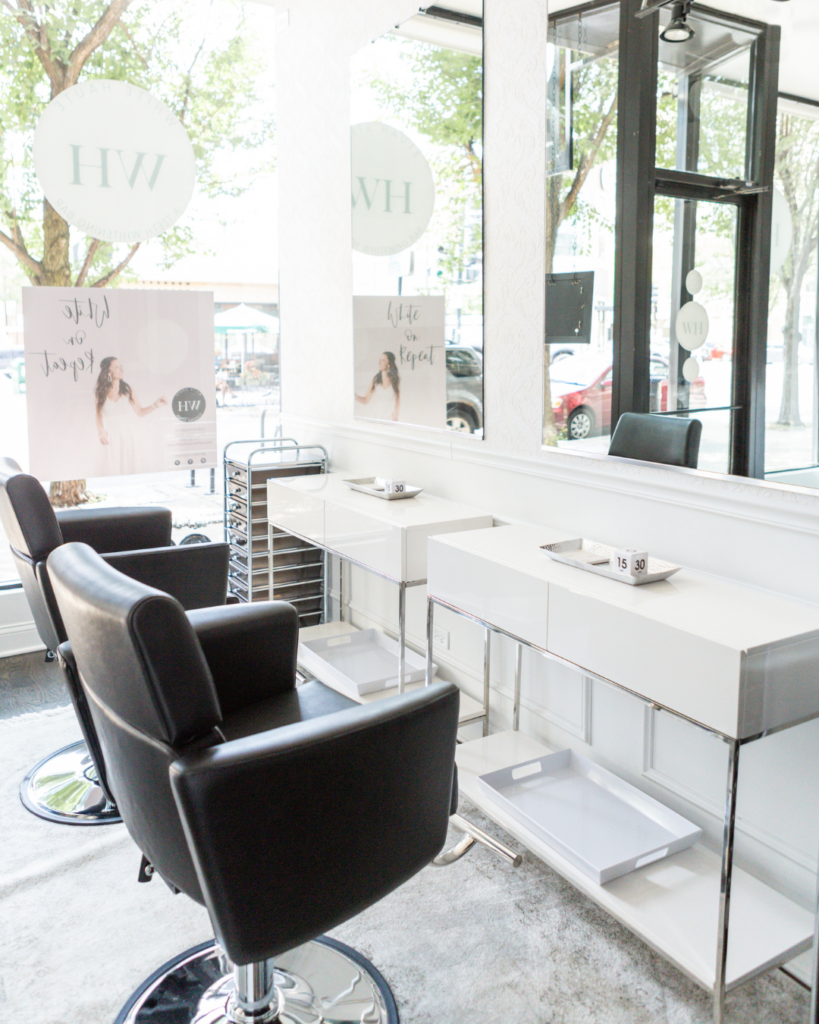
During your treatment, you are never left alone to manage the process. You are not at home alone at midnight wondering if something is wrong. You are in a beautiful space being taken care of by people who know exactly what they’re doing.
After your treatment, we give you clear, simple guidance on how to care for your teeth in the hours and days that follow, what to eat, what to avoid and how to keep your results looking their best while your enamel settles back to its normal state.
The result? Most of our clients experience little to no sensitivity at all. And those who do find it mild, brief and absolutely worth it for the smile they leave with.
Tips To Minimise Teeth Whitening Sensitivity Before and After
Whether you’re coming to White Haute or preparing for any professional whitening treatment, these steps will help:
Before your appointment: Use a sensitivity toothpaste for one to two weeks leading up to your treatment. Brands like Sensodyne are specifically designed to plug the open tubules in the enamel that cause sensitivity, starting this early gives the toothpaste time to work before your whitening session.
Avoid highly acidic foods and drinks in the 24 hours before your appointment. Citrus, vinegar-based dressings and fizzy drinks can temporarily weaken enamel and increase reactivity.
Don’t brush aggressively right before your appointment. Gentle brushing is fine, vigorous scrubbing can irritate the gum line and make the area more reactive during treatment.
After your appointment: Follow the white diet for 48 hours. Stick to white and light-coloured foods like chicken, fish, rice, pasta, cauliflower, bananas. Avoid anything that would stain a white shirt.
Stay away from very hot or very cold drinks for the first 24 hours. Your enamel pores are temporarily more open after whitening, which makes temperature sensitivity more likely in this window.
If you do experience any sensitivity, over-the-counter pain relief like ibuprofen can help. A sensitivity toothpaste applied directly to the teeth and left for a few minutes rather than rinsed out can also provide relief.
Avoid whitening toothpastes immediately after your treatment. Give your teeth a few days to settle before introducing any additional whitening agents.
When Whitening Might Not Be Right For You
In the spirit of full transparency, because we believe an informed client is the best kind of client, there are some situations where we’d recommend a conversation before booking.
If you are pregnant or breastfeeding, most professionals recommend waiting until after this period before whitening. Not because whitening is proven to be harmful, but because there simply isn’t enough research to be certain and waiting costs nothing.
If you have significant dental work such as crowns, veneers or bonding on your front teeth, it’s worth knowing that whitening gel does not change the colour of restorations, only natural tooth enamel. We can talk you through what results are realistic for your specific situation.
If you have untreated cavities or gum disease, these should be addressed before whitening. Whitening over compromised teeth or gums is what causes real discomfort and we’ll always be honest with you about this.
The Bottom Line
Sensitivity from teeth whitening is real. But it is not inevitable, it is not permanent and it is absolutely not a reason to settle for a smile that doesn’t make you feel like the most confident version of yourself.
At White Haute, we have designed every part of the experience to make your treatment as comfortable as it is effective. Because you deserve both.
If sensitivity has been the thing standing between you and the smile you want, let’s talk. Schedule a consultation, ask us your questions and let us show you what professional whitening done properly actually feels like.
Your brightest smile is closer than you think.